


Buying Art as an Investment: Why Supporting Local Artists Pays Off in More Ways Than One
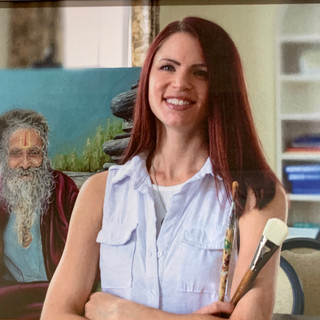

When people think about investments, they often picture stocks, real estate, or precious metals. But there’s another powerful—and surprisingly personal—investment category that is gaining attention: fine art. And even more meaningful than purchasing from global auction houses is investing in local artists with ties to your own community.
Art enriches lives—not just financially, but emotionally, culturally, and socially. Choosing a piece isn’t merely a transaction; it’s the start of a relationship. You don’t just buy artwork—you bring home a story. And while other investments sit tucked away, never to be seen until it's time to cash out, art is an investment that you get to enjoy every day. It enhances your environment and becomes a personal part of your identity and expression.
The Hidden Value of Buying Local Art
When you buy from local Detroit-area artists, you acquire something far deeper than décor. You bring home a story worth telling, a piece of someone’s lived experience and an artwork with roots in your community’s culture, identity, and history. That kind of connection gives a collection character. It becomes part of who you are and how you express yourself.
Art as an Investment: Sentimental and Financial
There’s a misconception that art collecting is reserved for wealthy investors—but you don’t need to spend six figures to collect work that appreciates over time.
Historically, the art market ebbs and flows, but periods of growth consistently show that collectors who buy early from developing artists often see their collection appreciate significantly—especially when the work is:
Original and not mass-produced
Signed or authenticated
Part of a series or a recognized body of work
Created by an artist building a following or history of exhibitions
But beyond monetary value lies an equally important truth: Sentimental value lasts, even when markets fluctuate. When you love the art you buy—when the subject, palette, meaning, or story resonates with you—you’ll never regret the investment.
What to Look For When Selecting Art for Your Collection
Whether you’re just starting your collection or adding to it, consider:
Does the piece evoke emotion or curiosity? Art that makes you feel something becomes a lifelong part of your home.
Does the artist’s story mean something to you? Local artists often draw from shared community experiences.
Is the craftsmanship of high quality? Strong technical skill, thoughtful composition, and professional finishing matter.
Is the artwork original or limited? Originals and limited edition prints tend to appreciate most reliably.
Does this piece align with your personal style or values? Trends change—but authenticity never goes out of style.
Understanding the Fine Art Market: How Artwork Gains Value Over Time
For those who love art, collecting begins with passion—and that will always be the most important part. But it’s also helpful to understand how the fine art market works, especially if you’re buying pieces with the hope that they may grow in value.
Primary vs. Secondary Market
Most artwork changes hands through one of two channels:
Primary Market — Buying directly from the artist or from the gallery that represents them.These are first-time sales. Prices are often more accessible, which makes this the perfect entry point for new collectors—especially when discovering Detroit and Metro Detroit artists early in their careers. And if an artist gains recognition, the return on investment can be extraordinary.
Secondary Market — Purchases through auctions, private collectors, or resale galleries.These works usually come with established value markers—auction history, past exhibition records, and proven provenance—which explains the higher prices. Collectors who buy in the secondary market are investing in stability and legacy.
Both approaches have value. Buying young talent supports artists when it matters most, and established artists provide predictability and long-term strength in a collection.
Blue-Chip vs. Emerging Artists
Collectors often hear the terms blue-chip and emerging artists—but what do they really mean?
Blue-Chip Art: Pieces by widely recognized artists with consistent sales, major gallery representation, and lasting cultural impact. These are legacy works—often held for decades and passed down through generations.
Emerging Artists: Artists who are earlier in their careers but already exhibiting strong promise. They may have gallery support, unique style, or growing recognition. Investing in emerging local artists can offer the most exciting growth potential—financially and personally.
Many seasoned collectors build their collections using a blend of both: stable long-term anchors and thoughtful selections from rising talent.
What Influences an Artwork’s Value?
Several factors contribute to an artwork’s long-term strength and desirability:
Provenance (ownership and history of the piece)
Rarity and medium — originals and large-scale works often hold the highest value
Exhibition and publication history
Museum or institutional recognition
Auction performance
Condition and professional conservation
The more documentation and history surrounding a piece, the easier it becomes to determine its market value later.
The Time Horizon of Local Art Investment
Unlike fast-moving markets, fine art grows steadily. Most collectors who experience significant appreciation hold their works for 10–20 years or more. Value often rises at pivotal moments—anniversary exhibitions, museum retrospectives, media features, or the artist reaching a new career milestone.
But here’s the most important takeaway:
Even if a piece never skyrockets in monetary value, the investment is never wasted if you truly love the art.
A good collection enriches your home, inspires your day, and reflects your personality. And if someday that artwork becomes more valuable in the market? That’s simply the bonus.
Final Thoughts: Buy What You Love—And Let It Grow
Whether you buy art for beauty, for meaning, for investment—or all three—the best collections are built with heart. Even pieces that later gain significant value were once chosen simply because someone loved them.
So explore. Ask questions. Learn about the artist. Feel the artwork rather than just viewing it.
When you collect local art, you don’t just invest in a canvas—you invest in the story, the artist, and the place you call home.
Visit Posterity Art & Framing Gallery
If you’re ready to start or continue your art-collecting journey, we’d love to help. Explore local Detroit talent, discover pieces that speak to you, and let our team assist with custom framing that elevates and protects your investment.
Whether your next acquisition becomes a future heirloom or the start of a great conversation—it will be yours, and that alone makes it valuable.
Want To Discover More Local Art?
Here's a list of 10 Metro Detroit artists you should be following right now on Instagram:
Tony Roko @tonyroko
Tim Burke @timburke635
Desiree Kelly: desireekellyart
Sheefy McFly @sheefymcfly
Judy Bowman @judybowmanartist
Brian Nickson @briannicksonart
Sydney James @sydneygjames
Ellen Rutt @ellenrutt
Jonathan Harris: @jonathanraymondharris
Mario Moore: @mariomooreart


Comments